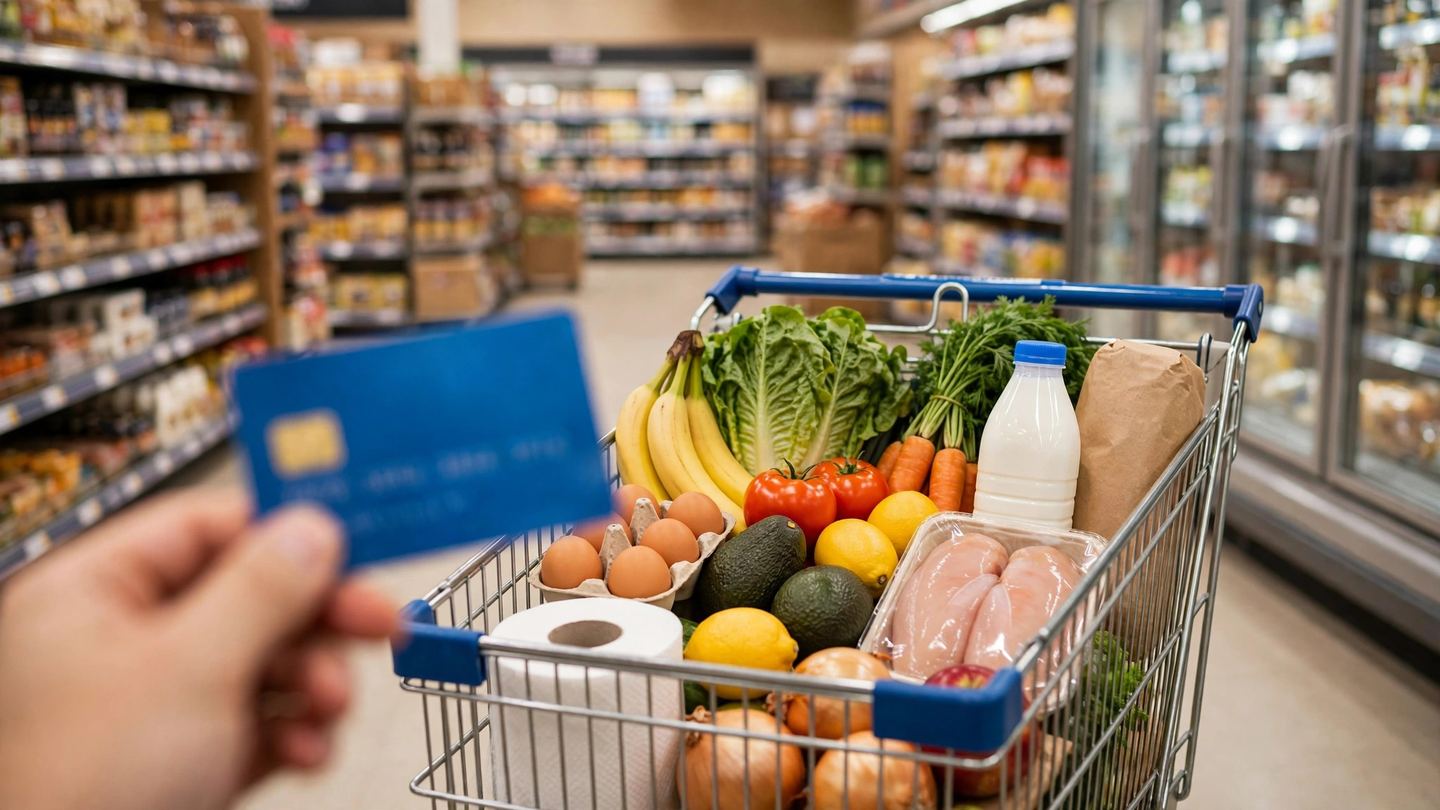
SNAP funding December 11, 2026 is the date that decides everything. Your SNAP benefits are safe for November and December — the money is funded through December 11 under Public Law 119-103. But if Congress does not pass a new funding law by then, January 2027 is the month that gets messy.
Confusion is everywhere right now because old stories keep resurfacing. Reports about an October 1 shutdown, court orders, and partial November payments are real — but they are from November 2025, not November 2026. This year, Congress acted early. There is no shutdown in effect, and no benefits are being cut this month. If you want the full picture of how much SNAP pays and who qualifies, our SNAP benefits guide for 2026 has the current amounts.
What the law actually says
The law behind SNAP funding December 11, 2026 is the Continuing Appropriations and Extensions Act, 2027 — H.R. 6500, now Public Law 119-103. On September 2, 2026, the president signed it. The Senate passed it 90–6 and the House 370–48, unusually wide margins for a spending fight.
The law keeps the whole federal government funded at current levels through Friday, December 11, 2026. SNAP is included, and the law continues it “at the rate to maintain program levels.” States are issuing November benefits on their normal schedules, and December deposits will follow the same pattern. WIC is funded through the same date, though the two programs run on very different rules.
The date to watch is December 11. If Congress passes nothing by then — no full-year spending bills, no new stopgap — a funding lapse begins Saturday, December 12.
Why January is the month at risk
A lapse on December 12 does not touch money already on your card. EBT balances stay usable, and unused money rolls over as always. What a lapse threatens is the next round of deposits.
December is the lower-risk month because most households get their December deposit before the 12th. January is different. January deposits are the first full month inside a lapse, so they are the first ones that could be delayed or reduced.
There is one cushion. Section 111(b) of the same law lets payments due on or about the first of a month keep going for up to 30 days after the funding expires. That means the January risk does not hit all at once on January 1 — it builds through the month. But the cushion is not a guarantee. It depends on how USDA reads the law in a lapse, and last year USDA’s reading changed more than once.
The numbers explain why a lapse matters so much. About 42 million people use SNAP, and a full month of benefits costs roughly $8.5 to $9 billion. The contingency fund USDA can tap in a lapse holds only about $4.6 to $5 billion — enough for roughly half a month. That is why a lapse means partial benefits, not full ones.
What happened last time
The last shutdown ran 43 days, from October 1 to November 12, 2025, and it was the hardest test SNAP has ever faced. USDA first said November benefits were not available, then, after two federal court orders, cut November maximum benefits to 50%. Full benefits were restored only after Congress passed the law that ended the shutdown on November 12.
That history is exactly why the confusion online is so dangerous. Undated versions of those 2025 stories are circulating again as if they describe this month. They do not. November 2026 benefits are funded, and the 2025 shutdown ended a year ago.
The other SNAP fight in the lame duck
Funding is not the only thing Congress has to settle. The budget law signed in July 2025 — the One Big Beautiful Bill Act — already changed SNAP in ways that are biting now. States’ share of the program’s administrative costs rose from 50% to 75% on October 1, 2026, and food-access advocates say the law’s cuts have already pushed about 5.5 million people out of food access.
A bigger change is still ahead. From October 2027, states will have to pay 0 to 15% of benefit costs themselves, depending on their error rates. The lame-duck fight is over delaying that cost-sharing: one Senate proposal would delay it by a year while raising the future maximum share from 15% to 20%. Whatever Congress decides on funding by December 11, this cost fight will shape SNAP well into 2027.
What to do now
Nothing about your benefits changes this month, and there is nothing you need to do to keep them. With SNAP funding December 11, 2026 in place, check your balance through your state’s EBT portal as usual, and do not trust a social media post that says benefits have stopped — check the date on the story first. December is a busy month for benefit calendars generally — Social Security’s December schedule, including the first checks with the 3.6% COLA, is here.
The real deadline is December 11. Congress returns on Monday, November 9, for a short lame-duck session with only a few legislative weeks left. If it passes full-year spending bills or another stopgap, January is safe too. If it does not, January becomes the month to watch.
FAQ: SNAP Funding December 11, 2026
Are SNAP benefits safe in November 2026?
Yes. SNAP is funded through December 11, 2026, under Public Law 119-103, and November deposits are going out on normal state schedules.
Will I get my December 2026 SNAP benefits?
Almost certainly yes. Most states issue December benefits before December 12, when the funding law expires, so December deposits should land as usual.
What happens if Congress does nothing by December 11?
A funding lapse begins December 12. Benefits already on your EBT card stay usable, but January 2027 deposits would be at risk, with a 30-day cushion in the law softening the first weeks.
Can a shutdown take money off my EBT card?
No. Nothing in federal law removes money already loaded on your card, and unused balances roll over month to month.
What is the maximum SNAP benefit for 2027?
For fiscal year 2027, which began October 1, 2026, the maximum is $306 a month for one person and $1,023 for a family of four, per USDA.
Sources: Public Law 119-103 (H.R. 6500) via Congress.gov; USDA Food and Nutrition Service; Food Research & Action Center (FRAC), November 6, 2026; Congressional Research Service.