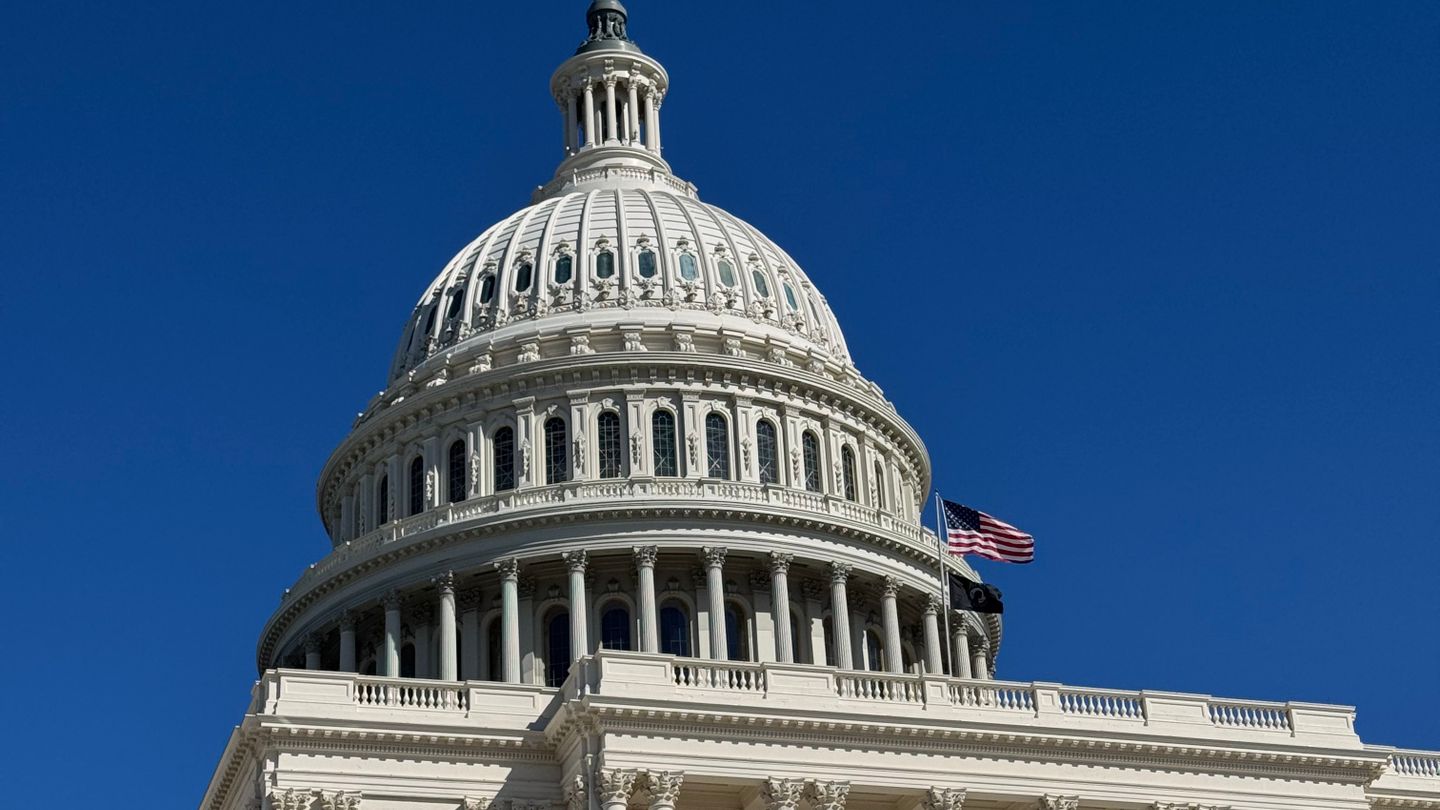
The veterans disability bill took a sharp turn on Friday, November 20, 2026, when Sen. Jerry Moran proposed a substitute amendment to H.R. 9237, the Take Care of America’s Veterans Act. The proposal would strip out the most controversial disability and home-loan funding pieces while keeping most of the bill’s benefit expansions. Nothing in the substitute is law yet, and no current payment changes today.
Moran chairs the Senate Veterans’ Affairs Committee. The House passed the original bill on Veterans Day, November 11, 2026, by voice vote, and the Senate has not approved Moran’s substitute. Any Senate changes would still need House agreement before the bill could reach the President.
What the veterans disability bill substitute would change
Think of the substitute as a rewrite, not a repeal of the whole package. It removes some pay-fors, softens one disability provision, and leaves another disability provision in place. That mix is why headlines that say cuts were simply removed miss the real story for claimants.
Tinnitus: service connection stays, monthly pay generally would not
Under the House version, separate compensable ratings for tinnitus, or ringing in the ears, would be eliminated, with a 10% rating retained only in a specified hearing-loss circumstance. Moran’s substitute would preserve standalone service connection for tinnitus, but generally at 0%. A 0% rating recognizes the condition as service-connected, but it carries no monthly compensation payment by itself.
Here is the practical difference in general terms. VA’s current 2026 table pays a veteran alone $180.42 a month at 10% and $3,938.58 a month at 100%. A standalone tinnitus rating at 0% would pay $0 a month on its own, so describing tinnitus pay as saved would be wrong. Our VA Disability 2027 complete guide explains how ratings combine into a total payment.
Sleep apnea: the rating changes stay, with a future start date
The substitute would retain the House sleep-apnea rating changes rather than remove them. Those changes would apply to claims filed beginning January 1, 2027. Compensation already in effect before enactment would be protected under the proposal.
That timing matters. Two veterans with the same diagnosis could face different rating rules depending on when a claim is filed and when any law takes effect. This article is general information only, not personal claims advice. Readers who want the filing basics in general terms can see how to file a VA disability claim in 2027.
VA home loans: the fee increases would come out
The clearest win for borrowers in the substitute is on VA home loans. The House version would raise the interest rate reduction refinance loan (IRRRL) fee from 0.5% to 1.42% and the loan assumption fee from 0.5% to 1%. Moran’s proposal would eliminate those increases and remove VA home loans as a funding source for the bill.
A simple example shows why the fee fight drew attention. On a $300,000 refinance, a 0.5% fee is $1,500, while 1.42% is $4,260, a $2,760 difference before any other costs. The substitute would keep the lower fee structure in place, but only if the substitute itself becomes law.
What else stays in, and what comes out
The substitute would keep a modified Major Richard Star Act, the Love Lives On Act, and an extra $10,000 a year in special monthly compensation for certain severely disabled veterans. It would also keep a 1% increase above inflation for Dependency and Indemnity Compensation (DIC) for three years. Our VA survivors benefits 2027 DIC rates report tracks what DIC pays today.
It would add $461 million for State Veterans Homes, covering 70 projects in 25 states. To help pay for the package without the loan fees, it would remove funding for VA information technology and for housing allowances tied to online education. Supporters say the trade protects disability compensation; critics say removing IT and education money creates new gaps.
Do not confuse H.R. 9237 with the H.R. 8552 COLA bill
H.R. 9237 is not the annual cost-of-living bill. That separate measure is H.R. 8552, the Veterans’ Compensation Cost-of-Living Adjustment Act of 2026. H.R. 8552 was presented to the President on November 17, 2026, and as of our check on November 22, 2026, it still had no public law number and no White House signing announcement.
Because H.R. 8552 is unsigned, the widely shared 2027 figures, $186.92 at 10% and $4,080.37 at 100%, are estimates based on the 2026 rates multiplied by 1.036, not official VA rates. If signed in time, the first payment at the new rate would be expected Thursday, December 31, 2026. See our H.R. 8552 signature watch and our VA disability pay in 2027 report for the full math, and our Social Security COLA 2027 guide for how the 3.6% was set.
What happens next in Congress
Moran’s substitute is a proposal in the Senate, not a done deal. The Senate must act first, and the House must agree to any changes before the bill can go to the President. Until both chambers pass the same text and it is signed, current VA disability rules and current loan fees remain the rules that apply.
Frequently asked questions
Has the Moran substitute become law?
No. Sen. Jerry Moran proposed the substitute amendment on November 20, 2026. The Senate has not approved it, and any Senate changes would still need House agreement before the bill could reach the President.
Would tinnitus still pay under the substitute?
Generally no, not as a standalone rating. The substitute would preserve standalone service connection for tinnitus, but generally at 0%, which carries no monthly compensation payment by itself. That is different from the House version, which would eliminate separate compensable tinnitus ratings except for a 10% rating in a specified hearing-loss circumstance.
When would the sleep apnea changes apply?
Under the substitute, the retained sleep-apnea rating changes would apply to claims filed beginning January 1, 2027. Compensation already in effect before enactment would be protected. The changes are still only a proposal until the bill becomes law.
Would VA home loan fees rise?
Under the House version, yes: the IRRRL fee would rise from 0.5% to 1.42% and the assumption fee from 0.5% to 1%. Under Moran’s substitute, those increases would be eliminated. Current fees apply today because neither version is law.
Is H.R. 9237 the same as the 2027 VA COLA?
No. The COLA is H.R. 8552, a different bill that was presented to the President on November 17, 2026, and was still unsigned with no public law number as of our November 22, 2026 check. The 2027 figures of $186.92 at 10% and $4,080.37 at 100% are estimates awaiting signature, not official VA rates.
Sources
- Military Times, Senator moves to strip controversial cuts from sweeping veterans benefits bill, November 20, 2026 (Moran substitute details; checked November 22, 2026)
- Military Times, House passes sweeping veterans benefits bill with polarizing tactic, November 12, 2026 (House passage by voice vote on Veterans Day; checked November 22, 2026)
- GovInfo, H.R. 9237 (EH), Take Care of America’s Veterans Act (engrossed in House, passed House November 11, 2026; checked November 22, 2026)
- GovInfo, H.R. 8552 (EH), Veterans’ Compensation Cost-of-Living Adjustment Act of 2026 (latest version enrolled bill; no public law version listed; checked November 22, 2026)
- VA.gov, Current Veterans disability compensation rates (2026 table: $180.42 at 10%, $3,938.58 at 100% veteran alone; checked November 22, 2026)
- White House News (searched for H.R. 8552 on November 22, 2026; no Bills Signed entry found for this bill; latest Bills Signed entries on November 20, 2026 listed other bills)
- Congress.gov, H.R. 9237 and H.R. 8552 (check attempted November 22, 2026; Congress.gov was blocked by a Cloudflare browser check and did not load, so status was verified through GovInfo, the White House and Military Times above)