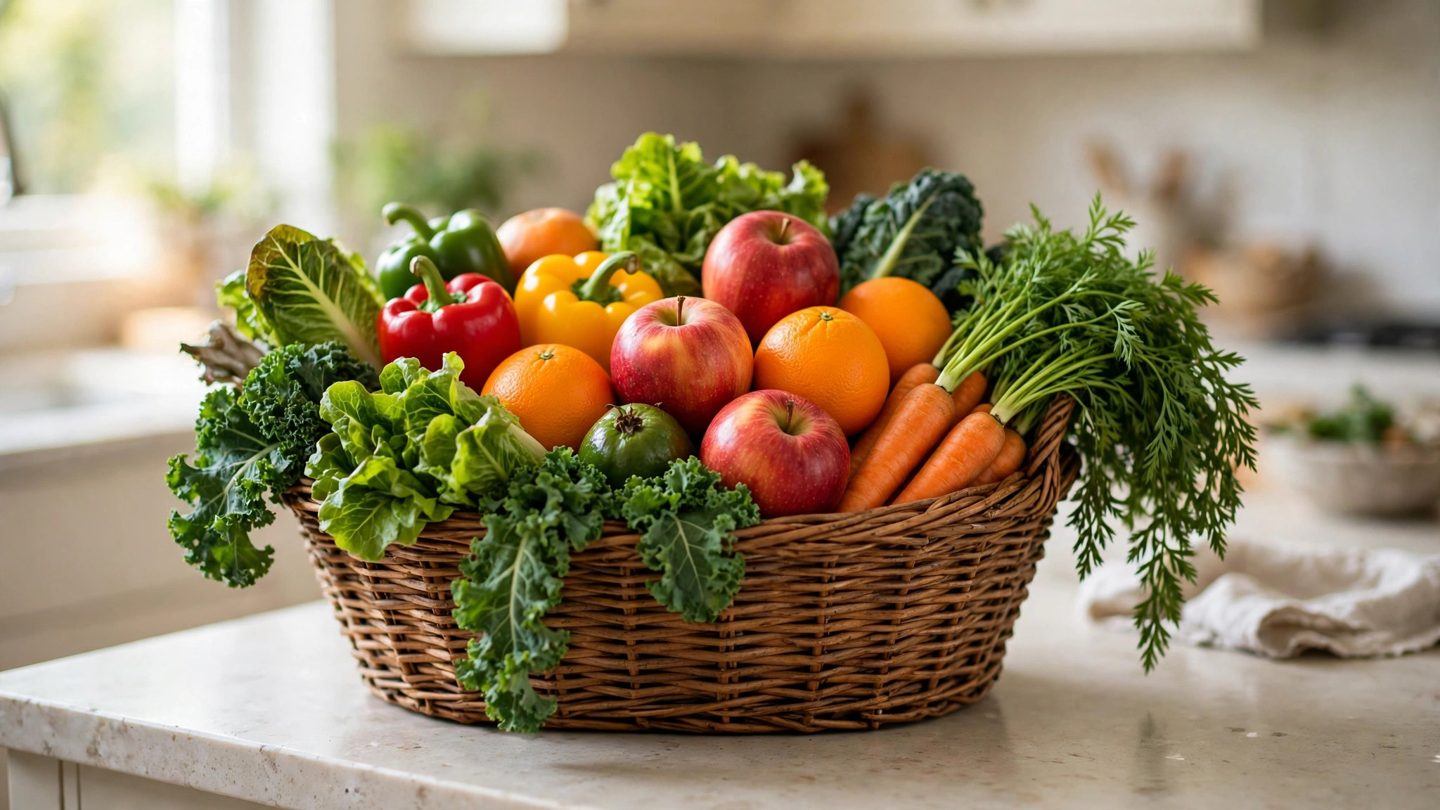
WIC 2027 starts with a small raise and a big warning. The fruit and vegetable benefit that millions of parents and young children use every month went up on October 1, 2026, so a child aged 1 to 4 now gets $27 a month for produce instead of $26. But the White House budget for fiscal year 2027 would cut that same benefit to about $10 — and Congress has to decide whether to let it happen.
The increase is already in effect. It comes from the U.S. Department of Agriculture’s WIC Policy Memo 2026-6, which set the new cash-value benefit amounts for the federal fiscal year that runs October 1, 2026 through September 30, 2027. If you are on WIC, the higher amounts should already be showing on your eWIC card.
What WIC pays for fruit and vegetables in 2027
The monthly produce benefit is now $27 for children aged 1 to 4, $48 for pregnant and postpartum participants, and $53 for participants who are fully or mostly breastfeeding. The breastfeeding amount rose from $52 last year; the pregnant and postpartum amount held at $48.
Families breastfeeding more than one infant get $78 a month. The benefit is loaded onto the eWIC card and must be spent within 30 days — it does not roll over. It covers fresh, frozen, canned, or dried fruits and vegetables, and it is separate from the rest of the WIC food package, which includes milk, eggs, cereal, whole grains, and infant formula.
That last point matters because the produce benefit is the only part of the package where families choose what to buy. Everything else is a fixed list. The cash-value benefit is what lets a parent pick the fruit their toddler will actually eat, or stretch the month with frozen vegetables when fresh prices spike.
Who qualifies for WIC in 2026-27
WIC serves pregnant, postpartum, and breastfeeding women, infants, and children up to their fifth birthday who are at nutritional risk. Your household’s gross income must be at or below 185 percent of the federal poverty guidelines.
For the period July 1, 2026 through June 30, 2027, the limit is $50,542 a year for a family of three in the 48 contiguous states — about $4,212 a month. A family of four can earn up to $61,050. Alaska and Hawaii have higher limits. If you or your child already receives SNAP, Medicaid, or TANF, you automatically meet WIC’s income test and do not need a separate income check.
Read our guide to WIC vs SNAP to see how the two programs differ.
About 7 million people use WIC, and the program has a rule worth knowing: a pregnant woman counts each unborn baby as part of the family size. A single mom with no other children who is pregnant with twins counts as a family of three, which can be the difference between qualifying and not.
The proposal that would cut the benefit
The raise and the threat are the same story. The president’s budget for fiscal year 2027, released April 3, 2026, would slash the fruit and vegetable benefit to about $10 a month for children and about $13 a month for adults. The Center on Budget and Policy Priorities estimates the cut would take $1.4 billion in produce benefits away from about 5.4 million parents and young children — a reduction of 62 to 75 percent, depending on the category.
This is the second year in a row the budget has proposed the cut. Congress rejected the same idea for fiscal year 2026 on a bipartisan basis and fully funded WIC instead. The Food Research & Action Center, which tracks the proposal, notes the cut would hit the families who can least afford it: produce is one of the first things squeezed when a grocery budget tightens.
Here is the important part for anyone on WIC right now: the cut is a proposal, not a law. The $27, $48, and $53 amounts are what you get today, and no one in Congress has voted to change them. The fight over the fiscal year 2027 budget is live in the lame-duck session that began when Congress returned on November 9, and the same bipartisan coalition that protected the benefit last year is the reason it survived then.
WIC funding runs through December 11
WIC shares a funding deadline with SNAP. Both programs are funded through Friday, December 11, 2026 under the continuing resolution Congress passed in September (P.L. 119-103). That means December benefits are covered. What happens after December 11 depends on what the lame-duck Congress does — another stopgap, a full-year bill, or a lapse.
Unlike SNAP, WIC has one advantage in a funding fight: it has never turned away an eligible family for lack of money in its modern history, and Congress has funded it fully every year for decades. That record is why advocates expect WIC to be protected again, but it is not a guarantee, and families should watch the December 11 deadline.
What to do now
If you are already on WIC, nothing changes this month. Check your eWIC balance to confirm the new amounts are there, and use the produce benefit before it expires at the end of each 30-day cycle. If you think you might qualify but have never applied, contact your state or local WIC agency — you can apply at any time, and many clinics take walk-ins. Bring proof of income, proof of address, and ID for yourself and your children.
The bottom line is simple: WIC’s produce benefit went up this fall, the money is there through December 11, and the proposed cut has been rejected before. The next few weeks in Congress decide whether it gets rejected again.
Related reading: winter heating help for 2026-27 — LIHEAP applications are open now.
FAQ: WIC 2027
How much is the WIC fruit and vegetable benefit in 2027?
For federal fiscal year 2027 (October 1, 2026 to September 30, 2027), it is $27 a month for children aged 1 to 4, $48 for pregnant and postpartum participants, and $53 for fully or mostly breastfeeding participants.
What is the WIC income limit for a family of three?
Gross household income at or below $50,542 a year ($4,212 a month) for July 1, 2026 through June 30, 2027, in the 48 contiguous states. If anyone in the household gets SNAP, Medicaid, or TANF, the income test is automatically met.
Is WIC being cut in 2027?
Not yet. The president’s fiscal year 2027 budget proposes cutting the produce benefit to about $10 for children and $13 for adults, but Congress has not approved it. Congress rejected the same cut for fiscal year 2026.
How long is WIC funded?
WIC is funded through December 11, 2026 under P.L. 119-103, the same continuing resolution that funds SNAP. Congress must act before that date to keep funding going.
Does the WIC produce benefit roll over if I don’t spend it?
No. Each month’s benefit is valid for 30 days from the date it is issued. Unused amounts expire and do not carry over to the next month.
Sources
- USDA Food and Nutrition Service, WIC Policy Memo 2026-6: Cash-Value Benefit amounts for FY2027
- USDA Food and Nutrition Service, WIC Income Eligibility Guidelines, July 1, 2026 – June 30, 2027
- Food Research & Action Center, “President’s Budget Calls for Cuts to Fruits, Vegetables Benefit for Mothers and Children in WIC” (published April 10, 2026; updated November 4, 2026)
- Center on Budget and Policy Priorities, “For Second Year in a Row, Trump Budget Seeks to Slash WIC Fruit and Vegetable Benefits for Millions” (April 14, 2026)
- California WIC, Fruits and Vegetables Benefit (updated October 26, 2026)