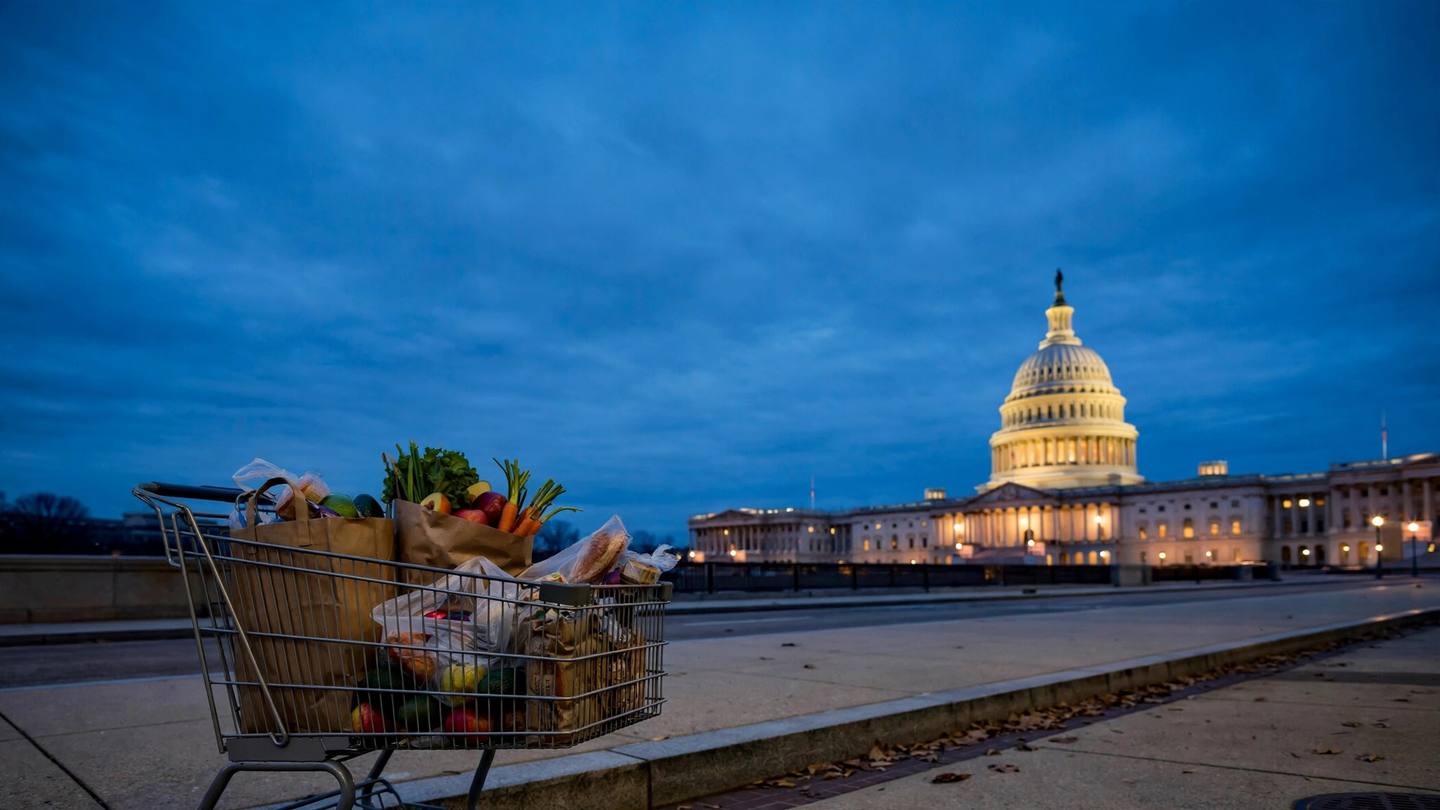
SNAP categorical eligibility is now at the center of a major fight in Washington, and the outcome could reshape who can get food help for years to come. On November 19, 2026, 214 House Democrats sent a letter to Agriculture Secretary Brooke Rollins asking the U.S. Department of Agriculture to withdraw a proposed rule that, by USDA’s own estimates, would remove 6.3 million people from the Supplemental Nutrition Assistance Program.
This is a proposal, not a final rule and not a law. Your November and December 2026 SNAP deposits are not changed by this proposal, and no household loses benefits because this letter was sent. What matters now is the public comment deadline: December 10, 2026.
What happened this week
Rep. Chellie Pingree of Maine and House Agriculture Committee Ranking Member Angie Craig led the letter, which was signed by 214 House Democrats. The lawmakers say the rule would increase hunger, raise costs for states, and make it harder for older adults, people with disabilities, and families with children to keep food assistance.
The letter responds to a USDA proposed rule published November 10, 2026, in the Federal Register as FR Doc. 2026-22936, titled Supplemental Nutrition Assistance Program: Reforming Categorical Eligibility. The docket number is FNA-2026-0661 and the regulation identifier number is 0584-AF10. If you are new to the program, our explainer on what SNAP is covers the basics in plain language.
What SNAP categorical eligibility means
Categorical eligibility is a shortcut states can use to qualify some households for SNAP without repeating every income and asset check. Broad-based categorical eligibility, often called BBCE, lets states align SNAP more closely with other low-income programs so eligible families do not face duplicate paperwork for every benefit.
USDA says 46 states currently use BBCE in some form. The proposed rule would narrow that option by limiting categorical eligibility through Temporary Assistance for Needy Families to cash assistance, rather than the broader non-cash benefits many states use today. For the current rules, income limits, and work requirements, see our complete SNAP benefits 2027 guide.
How many people could lose benefits
USDA’s own regulatory impact analysis estimates that 6.3 million people in 3.2 million households would lose SNAP entirely when the change is fully in effect. The House letter puts that at about 17 percent of SNAP households, with a similar share of individual participants affected.
The same analysis estimates SNAP benefits would be cut by $50.82 billion in total. That includes $44.65 billion in federal benefit spending over five years, fiscal years 2027 through 2031, plus $6.17 billion in state benefit spending. Administrative costs would rise by $1.24 billion as states verify more cases the long way.
Think of a working parent in a BBCE state who qualifies today through a state program but sits slightly above the standard federal gross income limit. Under this proposal, that household could be screened out at renewal even if its grocery budget has not improved. That is the practical change critics are warning about, and it is why state-by-state timing matters in our SNAP benefits 2026 guide.
Effects beyond the grocery card
SNAP participation also opens the door to other help, so the ripple effects are large. USDA estimates 1.78 million children would no longer be automatically eligible for free school meals through SNAP. Most would likely still qualify after extra paperwork, but 93,000 children would shift from free to reduced-price meals and 28,000 would lose free meals entirely.
About 42,000 children would no longer receive Summer EBT, known as Sun Bucks, beginning in summer 2029. An estimated 5,500 women, infants, and children would lose categorical eligibility for WIC. Readers tracking that program can compare the current offer in our report on the WIC 2027 fruit and vegetable benefit.
What this does not change right now
Nothing in this proposal cancels a November or December 2026 deposit. SNAP funding and payment calendars are separate from this rulemaking, and households should keep following their normal state schedule, such as the dates in our SNAP December 2026 payment dates by state guide.
Funding is also a separate track. As we reported in SNAP is funded through December 11, 2026, November and December are funded, while January 2027 depends on Congress. This proposed rule is about eligibility rules for the future, not about stopping this month’s benefits.
The December 10 deadline readers should know
USDA must receive written comments on or before December 10, 2026, to be assured of consideration. Comments go through Regulations.gov under docket FNA-2026-0661, and the Federal Register notice lists mail and email options as well. After the comment period closes, USDA can revise the proposal, finalize it, or withdraw it, and any final rule would still need an effective date before states apply it.
If you plan to apply or renew in the meantime, use the normal process described in how to apply for SNAP in 2027 and keep your recertification paperwork current. Do not skip a renewal because of headlines about a proposal. This article is news information only and cannot decide whether any individual household is eligible.
Frequently Asked Questions
Is SNAP categorical eligibility ending now?
No. USDA published a proposed rule on November 10, 2026, and House Democrats asked USDA to withdraw it on November 19, 2026. A proposal does not change eligibility until USDA issues a final rule with an effective date.
Will my November or December 2026 SNAP deposit be cut?
No. This proposal does not change November or December 2026 deposits. Payment amounts and dates continue under current program rules and funding.
How many people does USDA estimate would lose SNAP?
USDA’s regulatory impact analysis estimates 6.3 million people in 3.2 million households would lose SNAP entirely at full effect, about 17 percent of SNAP households.
How can the public comment on the proposed rule?
Submit comments through Regulations.gov for docket FNA-2026-0661 by December 10, 2026. The Federal Register notice for FR Doc. 2026-22936 also lists mail and email submission options.
Does this affect free school meals, Summer EBT, or WIC?
USDA estimates 1.78 million children would lose automatic school meal eligibility through SNAP, 42,000 children would lose Summer EBT from summer 2029, and 5,500 people would lose WIC categorical eligibility if the proposal takes full effect.
Sources
Regulations.gov docket FNA-2026-0661
Watch check on November 22, 2026: H.R. 8552 showed no White House signing announcement and no GovInfo public law record, so it remained unsigned at the time of this check. Canada Express Entry rounds still showed the October 28, 2026 Transport Occupations round as the latest, with no new draw on November 22, 2026.